Author Archives: Performance Marketing Services

Automated On-Page SEO for Instant Rankings

The digital landscape shifts at breakneck speed, demanding that marketers evolve from reactive manual processes to proactive, intelligent systems. In this hyper-competitive environment, simply creating great content is no longer enough; you must also guarantee its discovery. This seismic change requires a revolutionary approach, moving the core of search engine optimization from guesswork and repetitive tasks into the realm of data-driven intelligence. Businesses today Automated On-Page SEO need to leverage sophisticated tools that analyze search intent, competitive gaps, and algorithmic nuances with inhuman speed and precision. This paradigm shift offers the distinct advantage of immediate, hyper-targeted optimizations that translate directly into rapid ranking improvements and significant ROI. It is a transition from the art of SEO to the science of Automated On-Page SEO optimization, establishing a clear path to instant visibility and sustained authority. We now explore how artificial intelligence redefines every facet of a robust SEO strategy, making instant rankings an achievable reality.

The AI Revolution: Foundations for Intelligent Search Dominance

The integration of computing systems designed to simulate human-like cognition marks a profound turning point in digital marketing. This shift introduces Artificial Intelligence SEO, a practice that fundamentally transforms how organizations approach search engine optimization. It moves the focus from performing tedious, surface-level tasks to modeling the complex decision-making processes of search engines themselves. Artificial Intelligence SEO employs algorithms that can analyze trillions of data points—from user behavior and click-through rates (CTRs) to keyword difficulty and competitor strategies—in seconds, a feat impossible for any human team. This level of computational power enables a holistic and dynamic optimization strategy, ensuring every page element aligns with the current and anticipated needs of both search engine crawlers and human users. The resulting strategies are adaptive, resilient, and inherently more successful than traditional, static methods.

From Rules to Patterns: The Role of Intelligent Learning

Underpinning the entire framework of intelligent optimization is the technology that allows systems to learn from data without explicit programming. Machine Learning SEO represents the core capability that enables tools to identify intricate, hidden patterns within search data. This capability allows the system to discern why a specific piece of content ranks well for a particular query, going far beyond simple keyword density checks. Machine Learning SEO models recognize correlations between obscure on-page factors—such as the optimal placement of multimedia, the perfect paragraph length, or the psychological impact of specific internal linking structures—and superior search performance. By continuously feeding these models new data from successful and unsuccessful campaigns, the system refines its understanding, making each subsequent optimization recommendation incrementally more effective and targeted, driving a continuous cycle of improvement.

Advanced Cognition: Utilizing Neural Networks for SEO

As the complexity of search algorithms grows, so too must the intelligence of the optimization tools. Deep Learning SEO takes machine learning a step further by utilizing neural networks with multiple layers to interpret highly complex, abstract data. This technology is crucial for tackling the subtleties of modern search. For example, understanding true search intent—the why behind a user’s query, rather than just the words they type—requires a level of abstraction that only deep learning can provide. Deep Learning SEO analyzes vast text corpora and user interaction signals to infer the conceptual meaning and emotional context of queries, enabling content strategists to create material that addresses the query’s implicit need perfectly. This deep cognitive ability ensures that the content is not just technically sound but contextually superior, a critical element for securing top rankings.

Architecting Success: The Blueprint for Intelligent Search

A successful online presence demands more than just tactical adjustments; it requires a guiding vision informed by foresight. This is where AI SEO Strategy comes into play, transforming disjointed marketing activities into a cohesive, high-impact plan. Tools leveraging this strategy analyze competitive landscapes, market trends, and internal performance data to identify the most efficient pathways for growth. AI SEO Strategy generates a dynamic, living blueprint for your entire website, dictating which pages to prioritize, which topics offer the highest probability of ranking, and how to structure content clusters for maximum topical authority. It ensures resource allocation is always optimized for the highest possible return, eliminating the wasted effort that plagues manual strategic planning.

Seeing Around Corners: The Power of Foresight

In the highly reactive world of search, true competitive advantage belongs to those who anticipate change, not merely respond to it. Predictive SEO utilizes complex time-series analysis and forecasting models to project future ranking changes, traffic fluctuations, and algorithmic updates. By analyzing historical data and external signals—such as industry news, major platform changes, and emerging social media trends—the Predictive SEO model alerts marketers to potential threats or opportunities well before they materialize. This foresight allows teams to preemptively adjust their content, technical structure, and linking profile, effectively future-proofing their rankings against anticipated volatility. It’s the ultimate advantage, turning potential crises into strategic lead time.

Unlocking Visibility: The Smart Approach to Query Analysis

The bedrock of any successful SEO campaign rests on identifying the precise terms users employ to find information, products, or services. AI Keyword Research radically streamlines this foundational process by moving beyond simple volume metrics. AI tools analyze the true commercial intent and ranking difficulty of long-tail queries, emerging topics, and latent semantic indexing (LSI) terms. Instead of relying on static lists, AI Keyword Research algorithms discover untapped opportunities and competitive weak spots, recommending a highly targeted cluster of keywords that guarantee maximum on-page relevance. This ensures that the content created targets an audience ready to convert, maximizing the potential value of every ranking position.

Instant Diagnostics: Pinpointing and Fixing Site Weaknesses

Before optimizing content, organizations must first ensure the foundational health of their website. An Automated SEO Audit provides a non-stop, comprehensive diagnostic of a site’s technical and on-page status. These intelligent systems crawl the entire site, identify broken links, assess crawl budget issues, flag core web vitals performance degradation, and uncover duplicate content penalties, all in real-time. Crucially, the Automated SEO Audit doesn’t just list errors; it prioritizes them based on their projected negative impact on rankings and provides exact, actionable remediation steps. This automated diagnosis allows SEO teams to move immediately to fixing critical issues, securing the technical stability required for sustained high performance.

The Content Factory: Scaling Quality with Intelligence

Generating the sheer volume of high-quality, relevant content required to dominate a vertical often proves the greatest bottleneck for growth. AI Powered Content Creation solves this by utilizing sophisticated language models to generate outlines, drafts, and even full articles that meet stringent quality and relevance standards. These tools leverage proprietary data to understand industry-specific nuances, ensuring the output is not only grammatically correct but factually accurate and topically comprehensive. By automating the preliminary stages of writing, AI Powered Content Creation frees up human experts to focus on the strategic editing, unique insight, and brand voice necessary to convert readers into loyal customers, massively accelerating content velocity.

Engaging the Audience: Strategic Outreach and Distribution

Content’s value is maximized when it reaches the right person at the right time through the right channel. AI Content Marketing systems analyze audience demographics, past interaction data, and content performance metrics across various platforms to determine the optimal distribution strategy. This includes identifying the best time to post on social media, the perfect headline and abstract for an email campaign, and the specific niche communities most likely to amplify the message. AI Content Marketing ensures that every piece of content—whether a blog post, whitepaper, or video script—is not just created efficiently but distributed intelligently for maximum reach, engagement, and conversion potential.

Understanding the User: The Language of Search

Modern search engines don’t just match keywords; they interpret the meaning and context of the language used in both the query and the content itself. Natural Language Processing SEO is the core technology that enables systems to truly grasp the semantic relationship between words. This is vital for ensuring your content covers the entire topical map relevant to a search query. Natural Language Processing SEO tools analyze the top-ranking pages to extract all necessary entities, concepts, and related questions, ensuring your content is comprehensive and authoritative in Google’s eyes. It allows the creation of content that speaks the user’s language and satisfies their core information need, directly increasing the likelihood of ranking for multiple related keywords.

Refining the Text: Achieving Semantic Superiority

Once the content is drafted, the process of fine-tuning it for algorithmic acceptance and user appeal begins. AI Content Optimization tools use real-time data to suggest precise edits—from headline adjustments and schema mark-up improvements to the ideal internal linking anchor text and image alt tags. These suggestions are based on a direct analysis of high-performing competitors and Google’s own documentation. AI Content Optimization eliminates the guesswork from on-page implementation, transforming a draft into a perfectly optimized, high-conversion asset ready for publication, minimizing the time between creation and ranking.

The Final Polish: Execution at Scale

The concept of Automated Content Optimization involves the systematic and continuous application of all previous insights to a growing content library. This is no longer a manual, page-by-page task; intelligent systems scan existing assets, detect underperforming sections, and automatically generate and, in some cases, implement suggested improvements. Automated Content Optimization ensures that older, valuable content remains fresh, relevant, and highly competitive, preventing the organic traffic decay that often impacts large websites. By maintaining a constantly updated, high-performing content portfolio, sites ensure every page contributes optimally to overall domain authority and ranking signals.

Holistic Enhancement: Optimizing the Entire Digital Footprint

The goal of intelligent search management extends beyond a single page or piece of content to encompass every element that contributes to the site’s authority. AI SEO Optimization refers to the comprehensive application of AI across the three pillars of SEO: content, technical infrastructure, and authority (links). These systems monitor and adjust crawl paths, refine structured data implementation, and analyze user experience signals (like bounce rate and time on page) to ensure perfect alignment with Google’s core quality guidelines. AI SEO Optimization creates a virtuous cycle where improvements in one area—say, site speed—immediately and positively influence others, such as user engagement, leading to a synergistic boost in rankings.

Partnering for Growth: Leveraging External Expertise

For many organizations, achieving this level of intelligent execution requires partnering with specialized providers. Organizations offering AI SEO services deliver ready-made infrastructure, proprietary algorithms, and expert oversight necessary to deploy these advanced strategies immediately. These external teams bring deep experience in integrating diverse AI models—from natural language processing to predictive analytics—into a unified workflow. Utilizing AI SEO services allows businesses to bypass the significant investment in research and development, immediately benefiting from industry-leading tools and proven methodologies that are designed for maximum conversion and ranking impact.

Workflow Transformation: The Next Generation of Efficiency

The tedious, repetitive nature of traditional SEO is fundamentally altered by the introduction of intelligent systems. SEO Automation is not about replacing human creativity but about augmenting it by delegating the mechanical, data-heavy tasks to machines. This includes automated reporting, real-time competitor tracking, automatic meta-data generation for new product pages, and scalable content updates across thousands of URLs. SEO Automation frees up high-value personnel—strategists, copywriters, and developers—to focus their energy on generating unique insights and innovative campaigns that only human intuition can provide, leading to an exponential increase in team productivity and campaign effectiveness.

Full-Stack Efficiency: Intelligent Workflow Management

When AI is applied across the entire spectrum of search engine tasks, the result is truly Automated SEO. This full-stack automation encompasses everything from initial keyword identification and content drafting to technical audits and link prospecting. Automated SEO platforms function as a central nervous system for your digital presence, constantly scanning, learning, and optimizing. They execute thousands of micro-decisions every hour that a human team could never manage, ensuring the site is always operating at peak efficiency. This comprehensive, always-on optimization is the secret weapon for businesses aiming to maintain dominant search visibility in highly competitive niches.

The Combined Power: Synergy of Intelligence and Efficiency

The seamless integration of intelligent analysis and automated execution defines the future of digital marketing. SEO AI Automation represents this perfect synergy, where machine intelligence not only identifies the optimal action but also executes it directly, often without human intervention. For instance, an AI might detect a sudden drop in a competitor’s ranking, analyze the cause, identify a content gap on your site, generate a response outline, and automatically push a fully optimized draft to a human editor for final review and publication. This level of responsiveness is unparalleled, allowing businesses leveraging SEO AI Automation to react to market changes and secure valuable ranking positions within hours, not weeks.

Building the Foundation: Ensuring Site Health and Speed

Superior content requires a robust, error-free delivery mechanism. AI Technical SEO focuses on utilizing machine learning to diagnose and optimize the underlying health of a website, encompassing crucial factors like Core Web Vitals (CWV), site architecture, indexability, and structured data implementation. AI Technical SEO tools continuously monitor site performance, predicting where and when loading speed might fail or where a faulty canonical tag could lead to indexation issues. By automating the identification of these subtle but critical technical flaws, businesses guarantee that Google’s crawlers can efficiently and correctly interpret their content, establishing a strong, performant foundation for all other optimization efforts.

Authority Generation: Intelligent Network Building

Off-page SEO, particularly the acquisition of high-quality backlinks, remains a crucial ranking factor. AI Link Building transforms this notoriously labor-intensive process by using algorithms to identify and qualify the most valuable and relevant link opportunities. The system analyzes a prospect’s domain authority, topical relevance, traffic patterns, and link profile to predict the likelihood of successful outreach and the potential ranking benefit of the acquired link. AI Link Building enables hyper-focused outreach campaigns, eliminating time wasted on low-value targets and ensuring every effort contributes maximum authority and referral traffic to the site.

The New Standard: Comprehensive Digital Authority

In summation, the move to an intelligent framework is not about adding a new tool; it’s about establishing a complete paradigm shift in how digital marketing operates. AI Powered SEO represents the end-to-end intelligent ecosystem, where all components—content, technical, link profile, and user experience—are managed by a cohesive, learning system. This comprehensive approach ensures that the entire digital footprint is continuously optimized for maximum visibility and conversion. AI Powered SEO tools act as a virtual, hyper-efficient SEO department, providing unparalleled competitive insight and execution speed that is essential for achieving and maintaining top-tier rankings in the modern search environment.

Adapting to the Conversational Web: Optimizing for Audio

As smart speakers and digital assistants become ubiquitous, optimizing for conversational queries is essential. AI Voice Search Optimization involves analyzing the nuances of spoken language—which tends to be longer, more natural, and question-based—to adapt content for audio search results. AI Voice Search Optimization algorithms identify the perfect phrasing, structure, and brevity required to be selected as the single, authoritative answer read aloud by the assistant. This requires a deep understanding of natural language patterns and intent, moving far beyond traditional short-tail keyword targeting.

The Mobile Imperative: Small Screen, Big Impact

With the majority of searches now occurring on smaller devices, mobile performance is no longer an option—it is the foundation of indexing. AI Mobile SEO ensures a perfect user experience and technical compliance on every device. AI tools analyze page layouts, content structure, and load times specifically from a mobile-first perspective, detecting issues like intrusive interstitials, poor tap-target sizing, or mobile-specific slow-downs. AI Mobile SEO is critical for maintaining high rankings, as Google increasingly judges all sites based on their mobile performance and usability metrics.

Dominating the SERP: Capturing Prime Visibility

The most sought-after piece of real estate on the search results page is the concise, highlighted summary that appears at the top. AI Featured Snippet Optimization specifically targets this coveted position by analyzing the structure and format of existing featured snippets for high-value queries. The AI identifies the precise question-and-answer format, list structure, or definition length that the algorithm prefers for a given topic. By utilizing AI Featured Snippet Optimization, businesses can engineer their content to be the ideal candidate, dramatically increasing their click-through rate and authority, often stealing traffic from pages that technically rank higher.

Data-Driven Feedback: Measuring and Iterating Success

The continuous nature of intelligent optimization demands a sophisticated mechanism for evaluating the impact of every change. AI SEO Performance Tracking systems move beyond simple rank reports, correlating specific on-page or technical adjustments with measurable changes in organic traffic, conversion rates, and revenue. These tools use machine learning to filter out noise, such as seasonal fluctuations or external news events, isolating the true impact of the AI-driven changes. AI SEO Performance Tracking provides the undeniable evidence of ROI, allowing teams to instantly scale up successful strategies and quickly pivot away from underperforming hypotheses, ensuring a constantly improving trajectory.

The Future is Intelligent and Automated

The era of manual, time-consuming search engine optimization is over. Today, achieving instant rankings and sustained competitive advantage hinges on the intelligent deployment of AI. From the strategic foresight provided by Predictive SEO and the foundation of AI Technical SEO, to the creative scaling of AI Powered Content Creation and the precision of AI Content Optimization, every aspect of a winning digital strategy is now augmented by machine intelligence. Businesses that embrace this reality gain an unparalleled competitive edge, enjoying high conversion rates and guaranteed long-term growth. Don’t merely keep pace; redefine your industry’s standards by putting the power of automated intelligence at the core of your digital strategy.

Frequently Asked Questions (FAQ)

1. What defines “human-written” content when utilizing AI?

Answer: Human-written content, in the context of AI Powered Content Creation, means the output is subject to human oversight, strategic input, and final editing. AI may generate outlines, perform research, or draft sections, but a human expert must infuse the content with unique insights, brand voice, factual accuracy, and the nuanced perspective that machines currently cannot replicate, ensuring 100% originality and true value.

2. How does AI SEO ensure content remains unique and avoids plagiarism?

Answer: AI SEO services utilize advanced Natural Language Generation (NLG) models trained on vast, distinct datasets. These models create new, structurally unique text based on semantic understanding, not by copying and pasting. The focus on paraphrasing existing high-ranking content to extract and re-present factual entities, combined with a human editor’s final check, guarantees both uniqueness and zero plagiarism.

3. Can Automated SEO Audit tools replace a specialized human SEO consultant?

Answer: No. While an Automated SEO Audit instantly identifies and prioritizes technical errors and on-page deficiencies far faster than a human, the human consultant remains essential for interpreting the why behind the data, formulating complex long-term strategies, and managing the political or technical execution within a complex organizational structure. AI augments the consultant, it does not replace them.

4. What is the biggest advantage of using AI Keyword Research over traditional methods?

Answer: The biggest advantage is semantic depth. AI Keyword Research moves beyond simple search volume and difficulty metrics to analyze the true intent behind long-tail queries and identify content gaps missed by competitors. It groups related terms into topical clusters, ensuring comprehensive coverage and eliminating the reliance on static, outdated keyword lists.

5. How does AI Mobile SEO directly affect my website’s rankings?

Answer: Google primarily uses a “mobile-first index,” meaning it judges the quality of your site based on its mobile version. AI Mobile SEO ensures your mobile site loads instantly, is easy to navigate, and meets all Core Web Vitals criteria on smaller screens. Failure to perform optimally in these areas results in lower rankings, making AI-driven mobile optimization essential for visibility.

6. Is AI Link Building ethical, or does it lead to spammy practices?

Answer: Ethical AI Link Building focuses on qualifying and personalizing outreach at scale. It identifies highly relevant, authoritative websites (not spam farms) and provides data points for human outreach specialists to craft unique, value-driven pitches. The machine handles the data analysis; the human handles the relationship and quality control, ensuring a white-hat approach.

7. What is the relationship between Deep Learning SEO and Natural Language Processing SEO?

Answer: Deep Learning SEO is a sophisticated subset of machine learning that provides the computational power. Natural Language Processing SEO is the application of that power to understand, analyze, and generate human language. Deep learning allows NLP models to understand complex context and semantic intent, making them highly effective for content optimization.

8. How does Predictive SEO help me anticipate Google algorithm updates?

Answer: Predictive SEO analyzes large datasets of historical SERP volatility and correlation between ranking changes and specific on-page or technical factors. It can model “what-if” scenarios, projecting the likely impact of future algorithm changes (e.g., increased emphasis on page experience) based on current site data, allowing you to proactively adjust your strategy before an official update rolls out.

9. What is the main difference between Automated SEO and SEO Automation?

Answer: SEO Automation is the broader concept of using tools to handle repetitive SEO tasks like reporting, monitoring, and content distribution. Automated SEO refers to a more comprehensive, end-to-end system where the AI not only automates tasks but also uses machine learning to dynamically decide what needs optimizing and then execute the change, moving beyond mere task delegation to true intelligent management.

10. How quickly can I expect to see results after implementing a strong AI SEO Strategy?

Answer: With a properly executed AI SEO Strategy focusing on Automated On-Page SEO, you can see initial ranking improvements and traffic upticks for long-tail keywords within a matter of weeks, as the optimizations are precise and immediate. Significant, sustained growth and authority gains typically occur over a period of 3-6 months, as the AI systems continue to learn and scale their successful strategies.

Read More – automated content optimization

Read More – AI SEO services

Get In Touch

Website- — https://www.webinfomatrix.com

Mobile — +91–9990536116

WhatsApp — +91–9990536116

Mail — info@webinfomatrix.com
Smart AI Mobile SEO to Boost Conversions

The digital landscape fundamentally shifted the moment mobile devices became the primary method for accessing the internet. Today, a successful marketing initiative hinges entirely on superior mobile performance. The sheer volume of data, the speed of change in search algorithms, and the intensity of competition have made manual optimization an impossible task. We now stand at the precipice of a new era, one defined by the synergy of artificial intelligence and mobile search engine optimization. Embracing this intelligent evolution is not merely an advantage; it is a necessity for guaranteed high conversion rates and lasting success.

The Foundation of a Future-Proof Strategy: AI and the Mobile Ecosystem

You must understand the profound shift occurring in search, where traditional, static SEO tactics struggle to keep pace with Google’s dynamic, user-centric algorithms. The rise of sophisticated technology means search engines no longer simply index keywords; they interpret user intent, context, and behavior with remarkable accuracy. This demands a flexible, data-driven approach, which is precisely where artificial intelligence SEO proves invaluable. AI tools process vast datasets at speeds impossible for human teams, revealing patterns and correlations that inform truly effective strategies.

When we delve into this advanced field, we encounter systems built on computational models that learn from experience. Machine learning SEO, for example, allows algorithms to continuously refine their understanding of ranking factors by analyzing successful and unsuccessful campaigns across millions of websites. This ongoing refinement ensures that your optimization efforts remain aligned with the latest algorithmic updates, offering resilience in a constantly changing environment. Furthermore, for high-level, complex pattern recognition, particularly within unstructured data like vast text corpora, deep learning SEO employs neural networks to uncover subtle but powerful optimization opportunities that human analysts might easily overlook. These powerful techniques form the bedrock of a scalable, future-ready mobile optimization strategy.

The critical importance of the mobile experience cannot be overstated. Google’s commitment to mobile-first indexing means the mobile version of your website is the baseline for ranking decisions, even for desktop searches. A sluggish, non-responsive mobile site immediately kills conversion potential. By applying AI mobile SEO, organizations can move beyond basic responsiveness checks. AI analyzes user interaction data—scroll depth, click paths, time on page, and conversion funnels—to pinpoint bottlenecks in the mobile journey. This allows you to deploy micro-optimizations that directly address user frustration and friction, ensuring that every touchpoint on a mobile device encourages conversion. This targeted approach transforms a slow, cumbersome experience into a seamless, high-converting one.

Streamlining Success: The Power of AI-Driven Automation

The sheer volume of tasks required for comprehensive SEO—auditing, analysis, tracking, and implementation—often overwhelms even large teams. To maintain a competitive edge, you must embrace efficiency. SEO automation is the answer, shifting repetitive, high-volume tasks from human capacity to intelligent systems. This frees up your expert strategists to focus on high-level, creative problem-solving and market differentiation, not manual reporting.

The integration of smart technology into every phase of the SEO workflow is now standard practice. The core concept of automated SEO involves deploying AI to handle routine tasks like data aggregation, competitive monitoring, and baseline reporting. This systematic approach ensures consistency and speed across all campaigns. Taking this a step further, specialized AI SEO services provide end-to-end solutions, leveraging complex algorithms to manage everything from content brief generation to technical site maintenance, often outperforming traditional agencies through sheer computational power and lack of human bias.

Building a winning strategy requires more than just reactive fixes; it demands foresight. This is where a clear AI SEO strategy becomes essential. The strategy uses predictive modeling to anticipate shifts in search demand and user behavior, allowing you to optimize content and technical structures proactively. This predictive capability is then executed through mechanisms like SEO AI automation, which acts as the operational engine. This engine doesn’t just automate tasks; it executes dynamic, rule-based changes—automatically adjusting internal linking structures or refreshing stale meta descriptions based on live performance data—making your site a living, evolving entity perfectly tuned for conversion. The combination of strategic foresight and automated execution provides a sustained competitive advantage.

The Intelligent Search for Intent: AI-Driven Keyword and Content Mastery

Keyword research, once a laborious process of spreadsheet analysis and intuition, has been utterly transformed by AI. Traditional methods often missed the subtle, long-tail queries that signal high conversion intent. By contrast, AI keyword research analyzes search query logs, competitor content, and search result pages (SERPs) across thousands of data points to identify untapped, high-value terms. These systems understand semantic relationships, clustering keywords by topic and intent, not just by exact match, ensuring you target the precise needs of your mobile users.

Generating and maintaining high-quality content at scale is another area where AI offers revolutionary efficiency. AI powered content creation tools assist human writers by generating detailed outlines, suggesting topics, and even drafting sections of high-volume, commodity content. This augmentation dramatically speeds up the content pipeline, ensuring your mobile site always offers fresh, relevant information. However, creation is only half the battle; the content must perform. AI content optimization analyzes existing content for topical relevance, readability, and authority gaps. It suggests specific, actionable changes—like adding a missing section on a related subtopic or improving the depth of a crucial paragraph—to maximize its ranking potential and conversion rate.

This level of detailed analysis is possible through advancements in natural language processing SEO. NLP allows the AI to “read” and understand text like a human, assessing not just the presence of keywords but the overall quality, sentiment, and context. This capability is vital for Google’s algorithms, which prioritize authoritative and helpful content. Leveraging this technology, you can achieve true automated content optimization. The system constantly monitors SERP changes for your target keywords, automatically flagging content that is starting to decay and recommending specific revisions to keep it fresh and highly competitive. Ultimately, this integration supports a comprehensive AI content marketing framework that ensures every piece of content—from blog posts to product descriptions—is purpose-built to engage, inform, and drive mobile conversions.

Achieving Technical Excellence: Auditing and On-Page Automation

A technically flawless website is the prerequisite for any high-conversion mobile SEO campaign. In the mobile-first world, site speed, core web vitals, and structural integrity are non-negotiable ranking factors. AI technical SEO tools continuously scan your website for complex issues like broken schema markup, rendering problems, or inefficient server responses, often flagging potential issues before they escalate into major ranking penalties. This proactive monitoring is critical because minor technical flaws on mobile can have an outsized negative impact on user experience and conversion rates.

To prevent technical debt from accumulating, organizations must adopt systematic, automated checks. An automated SEO audit replaces the lengthy, biennial human process with continuous, real-time monitoring. This process provides instant alerts and clear, prioritized recommendations for remediation, dramatically reducing the time it takes to identify and fix critical errors affecting mobile performance. For daily site maintenance, AI SEO optimization systems apply these technical insights to improve critical elements. They dynamically adjust image compression for faster mobile loading times, optimize server-side code, and manage JavaScript rendering to ensure a smooth, quick experience for mobile users, all of which boost conversion probability.

Furthermore, on-page elements, which directly influence how Google and users perceive your content, are ripe for automation. Automated on-page SEO systems manage the fine details: dynamically generating meta descriptions that include conversion-focused language, optimizing header tags for better informational hierarchy, and fine-tuning internal linking structures to distribute authority efficiently across your high-value pages. A highly specialized area within on-page optimization is the pursuit of SERP visibility enhancements. AI featured snippet optimization analyzes the current featured snippet for a given query, reverse-engineers its structure and content format, and then suggests highly specific revisions to your content to “steal” that high-visibility placement. Winning the featured snippet on mobile is particularly impactful as it often dominates the above-the-fold screen space, resulting in massive increases in click-through and conversion rates.

The Predictive Edge: Forecasting Performance and Advanced Optimization

Moving beyond reactive optimization into strategic foresight defines the next generation of SEO success. Predictive SEO uses advanced modeling to forecast the impact of potential SEO changes before you implement them. By analyzing historical data and external market trends, AI can predict the lift in ranking, traffic, and conversion rate that a new content cluster or a technical update will provide. This ability to model future performance allows businesses tity sources, dramatically improving domain authority, a key driver for higher conversions.

Conversion success hinges on knowing what works and why. The implementation of AI SEO performance tracking provides real-time, granular insights into campaign efficacy. These systems don’t just report on traffic; they correlate specific on-site changes (e.g., a new heading, a revised CTA, a speed improvement) with tangible conversion results (e.g., form submissions, purchases, calls). This attribution model is crucial for proving the ROI of your AI-driven optimization efforts and continually iterating on successful strategies.

Finally, the mobile environment is rapidly expanding beyond traditional text-based queries. The growth of smart devices and digital assistants means that a significant portion of searches now happens via voice commands. AI voice search optimization focuses on structuring your content to answer natural language questions succinctly and directly. Since voice search results typically favor a single, definitive answer, your content must be optimized for long-tail, conversational queries and structured with clear schema markup to be readily chosen by the voice assistant, securing that crucial top-of-funnel conversion opportunity. This comprehensive, intelligent approach ensures your mobile presence is optimized for every possible interaction point, driving higher conversions consistently and reliably.

Securing Your Digital Future with AI-Powered Mobile Excellence

The intersection of artificial intelligence and mobile SEO represents the most significant paradigm shift in digital marketing this decade. Organizations that choose to embrace this technological evolution are not just staying ahead of the curve; they are fundamentally reshaping their potential for sustained conversion growth. By leveraging AI to automate the mundane, predict the future, perfect the technical foundation, and master the creation of high-intent content, you build an impervious digital fortress designed for the mobile era.

The path to guaranteed high conversion rates is paved with data, driven by intelligence, and executed through automation. Adopt a sophisticated AI mobile SEO framework today and transform your mobile website from a mere digital presence into a highly efficient, perpetually optimized conversion engine. This is how you win the future of search.

Frequently Asked Questions (FAQs)

Q1: How does AI ensure the content remains “human-written” and unique as required by Google’s guidelines?

A: AI powered content creation tools do not replace human writers; they function as powerful co-pilots. They handle data synthesis, initial outlines, competitive analysis, and factual validation, ensuring that the human writer can focus their time on adding unique insights, creative phrasing, and distinct voice. The final output remains a product of human creativity and expertise, optimized and enhanced by AI tools for technical SEO elements.

Q2: Is utilizing AI for optimization considered “cheating” by search engines like Google?

A: Absolutely not. Search engines themselves rely heavily on AI, deep learning, and natural language processing SEO to index and rank content. Tools that use AI to understand and meet the expectations of the search engine (such as improving user experience, site speed, and content relevance) are simply applying sophisticated technology to follow best practices at scale. AI is a tool for efficiency, not a method for deceptive practices.

Q3: What is the most immediate impact an organization can expect after implementing an AI SEO strategy?

A: The most immediate and significant impact is the improvement in efficiency and speed. Implementing automated SEO audit and tracking systems drastically reduces the time required to diagnose critical issues. This speed allows for quicker deployment of fixes, leading to faster stabilization of rankings and improvements in core web vitals, which directly boost user experience and conversion rates.

Q4: How does predictive SEO differ from traditional traffic forecasting?

A: Traditional forecasting often relies on extrapolating historical trends, which can be inaccurate during market shifts or algorithmic updates. Predictive SEO, leveraging advanced machine learning models, uses real-time data, competitor movements, seasonality, and external factors to model various future scenarios. This provides an estimated probability of success for specific changes, allowing you to prioritize the highest-ROI tasks.

Q5: My mobile site is fast, so why do I still need AI SEO optimization?

A: Site speed is only one factor. AI SEO optimization goes deeper by analyzing user behavior signals (like bounce rate, time on site, and conversion funnels) in correlation with dozens of technical factors. The AI identifies issues beyond simple speed, such as inefficient internal linking, poor mobile UX layout, or content that fails to satisfy user intent, providing the detailed insights necessary for higher conversion rates.

Q6: What specific role does deep learning SEO play in AI SEO?

A: Deep learning SEO utilizes complex neural networks to process large amounts of unstructured data, like search queries and competitor content. This is crucial for high-level tasks like semantic content clustering, understanding topical authority, and identifying subtle, non-obvious correlations between site characteristics and high rankings, making it a key driver for sophisticated AI SEO services.

Q7: How does AI link building ensure the quality of backlinks?

A: The AI link building process uses machine learning to analyze the quality metrics of millions of potential linking domains, including factors like Domain Authority, topical relevance, traffic quality, and Spam Score. It only prioritizes outreach to sites that meet a high quality threshold and demonstrate a strong contextual fit, preventing the acquisition of low-quality, potentially harmful links.

Q8: Can AI voice search optimization help local businesses specifically?

A: Yes, dramatically. Many voice searches have local intent (e.g., “Where is the nearest coffee shop?”). AI helps local businesses by analyzing conversational queries and ensuring their content and Google Business Profile are structured perfectly with local schema markup, clear NAP (Name, Address, Phone) data, and succinct answers to common questions, greatly increasing the chances of being the definitive answer provided by a voice assistant.

Q9: What is the primary benefit of automated on-page SEO for conversion optimization?

A: The primary benefit is real-time relevance and user experience perfection. Automated on-page SEO constantly monitors page performance and dynamically adjusts elements like meta descriptions, CTAs, and internal links to ensure maximum click-through rate (CTR) from the SERP and optimal navigation/conversion flow once the user lands on the mobile page.

Q10: Why is AI SEO performance tracking superior to standard analytics tools?

A: Standard analytics report on what happened (e.g., traffic went up). AI SEO performance tracking uses attribution models to tell you why it happened. It correlates specific AI-suggested changes—like a new set of long-tail keywords or a technical fix—directly to measurable increases in conversions and revenue, providing the clear ROI data necessary to justify further investment in AI-driven strategies.

Read More – automated content optimization

Read More – AI SEO services

Get In Touch

Website- — https://www.webinfomatrix.com

Mobile — +91–9990536116

WhatsApp — +91–9990536116

Mail — info@webinfomatrix.com
Automated SEO Tactics for Business Growth

The digital landscape continuously evolves, and businesses seeking competitive advantage must leverage cutting-edge technologies to enhance their online visibility. AI SEO services have emerged as transformative solutions that reshape how organizations approach search engine optimization. These intelligent systems combine human expertise with machine precision to deliver unprecedented results in organic search performance.

The Evolution of Search Engine Optimization

Search engine optimization has undergone remarkable transformation over the past decade. Traditional SEO practices relied heavily on manual analysis, keyword stuffing, and time-intensive link-building campaigns. However, the introduction of artificial intelligence and automation technologies has fundamentally altered this landscape. Today’s forward-thinking businesses recognize that automated SEO strategies deliver measurable advantages in efficiency, accuracy, and overall performance metrics.

The shift toward AI content optimization represents more than mere technological advancement. It signifies a fundamental reimagining of how organizations can scale their digital marketing efforts while maintaining quality and relevance. Businesses implementing these technologies report substantial improvements in keyword rankings, organic traffic generation, and conversion rates.

Understanding AI-Powered SEO Solutions

Machine learning SEO operates on sophisticated algorithms that analyze vast datasets to identify patterns and opportunities invisible to human analysts. These systems continuously learn from search engine behavior, user interactions, and competitive landscapes to refine optimization strategies in real-time.

AI keyword research represents a significant departure from traditional keyword analysis methods. Rather than relying solely on keyword volume metrics and difficulty scores, intelligent systems examine user intent, search context, and semantic relationships between terms. This deeper understanding enables businesses to target keywords with higher conversion potential and lower competition.

SEO automation encompasses the entire optimization process, from initial audits through content creation and performance monitoring. By automating routine tasks, marketing teams redirect their efforts toward strategic decision-making and creative development, ultimately enhancing overall campaign effectiveness.

The Power of Artificial Intelligence in SEO

Artificial intelligence SEO applications extend far beyond simple automation. These sophisticated systems employ advanced reasoning capabilities to solve complex optimization challenges. When organizations implement predictive SEO technologies, they gain the ability to anticipate search trends, user behavior changes, and competitive moves before they happen.

AI powered SEO strategies leverage multiple data sources and analytical frameworks to provide comprehensive insights. Rather than viewing SEO as isolated campaigns, intelligent systems recognize interdependencies between content quality, technical performance, user experience, and link authority. This holistic perspective enables more effective optimization approaches.

AI content marketing integrates optimization principles directly into content creation processes. Intelligent systems analyze high-ranking competitors, identify content gaps, and recommend structural improvements before publication. This proactive approach significantly increases the likelihood of achieving prominent search rankings and sustained organic visibility.

Advanced Optimization Techniques

AI SEO optimization employs sophisticated algorithms to enhance multiple ranking factors simultaneously. These systems identify quick wins alongside long-term optimization opportunities, allowing marketers to balance immediate improvements with sustainable growth strategies.

AI SEO strategy development requires comprehensive understanding of business objectives, competitive landscapes, and target audience behavior. Intelligent platforms assess current performance, identify improvement opportunities, and recommend prioritized implementation roadmaps. This strategic approach ensures resources target the highest-impact initiatives first.

Deep learning SEO represents the frontier of artificial intelligence application in search optimization. These advanced neural network technologies process information in ways that mimic human cognitive processes, enabling discovery of subtle patterns and relationships that simpler algorithms might miss. The result includes more nuanced optimization recommendations and superior performance outcomes.

Natural language processing SEO technologies understand content meaning and context at sophisticated levels. Rather than simply matching keywords, these systems comprehend semantic relationships, user intent, and topical authority. This enables creation of content that naturally incorporates relevant terms while maintaining readability and engaging narratives.

Content Optimization at Scale

Automated content optimization transforms how businesses manage large content portfolios. Intelligent systems audit thousands of pages simultaneously, identifying optimization opportunities across meta tags, headings, content structure, and semantic markup. This scalable approach enables consistent quality improvement across entire websites.

SEO AI automation streamlines technical optimization processes that traditionally consumed substantial time and resources. Automated systems identify broken links, optimize page load times, improve mobile responsiveness, and implement schema markup efficiently. The time savings enable teams to focus on strategic content development and relationship building.

AI technical SEO addresses the infrastructure and technical factors that significantly impact search visibility. Intelligent systems continuously monitor crawlability, indexation status, and technical performance metrics. These platforms identify issues rapidly and recommend specific fixes, ensuring websites maintain optimal technical health.

Automated SEO audit capabilities provide comprehensive evaluations of website health and performance. Rather than scheduling quarterly or annual audits, intelligent systems perform continuous monitoring, identifying new issues and opportunities as they emerge. This proactive approach prevents problems from accumulating and maximizes organic potential consistently.

Content Creation and Authority Building

AI powered content creation leverages machine learning to understand what types of content perform best for specific topics and audiences. These systems analyze top-ranking content, identify knowledge gaps, and recommend content angles that address user questions comprehensively. The result includes content that satisfies search intent while establishing topical authority.

AI link building strategies employ intelligent systems to identify high-quality link opportunities aligned with business objectives. Rather than pursuing every available link, these platforms assess link relevance, domain authority, and likelihood of generating referral traffic. This targeted approach improves link quality while reducing effort required for outreach campaigns.

Intelligent link-building systems also identify existing brand mentions lacking hyperlinks, enabling teams to reclaim lost link equity. These opportunities frequently require minimal outreach since sites already reference your business. The systematic identification and activation of these opportunities represent quick wins in authority building.

Performance Tracking and Optimization

AI SEO performance tracking provides real-time visibility into optimization effectiveness. Rather than monthly reports analyzing historical performance, intelligent systems continuously monitor rankings, traffic, and conversion metrics. This enables rapid identification of issues and optimization opportunities requiring immediate attention.

Advanced tracking systems identify correlations between optimization efforts and performance changes. These insights reveal which specific actions drive results, enabling marketers to scale successful strategies and adjust underperforming tactics. This data-driven approach maximizes return on optimization investments.

Automated on-page SEO handles the repetitive elements of page optimization that require consistency across hundreds or thousands of pages. Intelligent systems ensure title tags include primary keywords within recommended character limits, meta descriptions address user questions appropriately, and heading hierarchies follow best practices. This consistency significantly improves crawlability and relevance signals.

Specialized Optimization Approaches

AI featured snippet optimization targets the prominent answer boxes appearing above traditional search results. Intelligent systems analyze existing featured snippets for target keywords, identify formatting patterns that generate these positions, and recommend content structures optimized for snippet capture. Featured snippet traffic frequently exceeds standard search results, making this optimization critical for comprehensive organic strategy.

AI voice search optimization addresses the growing percentage of searches conducted through voice-activated devices. These searches employ different language patterns than typed queries, often including conversational phrases and question formats. Intelligent systems identify voice search opportunities and recommend content modifications optimizing for these distinct search behaviors.

Voice search optimization increasingly influences overall SEO strategy as voice-activated assistant usage continues expanding. Businesses preparing their content for voice search today establish competitive advantages as this search channel grows.

AI mobile SEO ensures optimal performance across mobile devices, where the majority of searches now occur. Intelligent systems analyze mobile user experience, page speed, and mobile-specific technical factors. These platforms identify issues degrading mobile performance and recommend specific improvements, ensuring competitive rankings in mobile search results.

Mobile optimization increasingly determines overall SEO success. Search engines prioritize mobile-friendly experiences, and user behavior data demonstrates that mobile usability directly impacts engagement and conversion rates. Comprehensive mobile optimization requires systematic attention that intelligent platforms automate effectively.

Implementation Strategy for Business Growth

Organizations seeking maximum return from automated SEO initiatives should follow structured implementation approaches. Begin by conducting comprehensive website audits identifying current strengths and opportunities. Intelligent platforms provide this foundation, establishing baselines against which to measure improvement.

Next, prioritize optimization efforts based on impact potential and implementation feasibility. Quick wins addressing technical issues, fixing crawl errors, and optimizing high-traffic pages should precede longer-term strategies developing new content or building authority. This phased approach demonstrates value quickly while building momentum for comprehensive optimization programs.

Establish clear metrics tracking improvement across key performance indicators including organic traffic, keyword rankings, conversion rates, and return on investment. Regular reporting maintains stakeholder engagement and enables rapid identification of successful tactics worthy of increased investment.

Content remains central to SEO success despite technological advancement. AI content optimization tools enhance content effectiveness, but human expertise in topic research, audience understanding, and narrative development remains essential. The most successful organizations combine AI capabilities with experienced team members who understand business objectives and market dynamics.

Overcoming Common Implementation Challenges

Organizations frequently face obstacles when implementing AI SEO services. Technical complexity intimidates some marketing professionals unfamiliar with advanced technologies. However, modern platforms prioritize user experience, presenting sophisticated analyses in intuitive interfaces accessible to marketers without technical backgrounds.

Data privacy concerns occasionally arise when implementing machine learning SEO systems. Reputable platforms maintain strict data security protocols and comply with international privacy regulations. Organizations should evaluate vendors carefully, ensuring compliance with applicable laws and data protection standards relevant to their operations.

Budget constraints limit adoption of advanced technologies at some organizations. However, calculating return on investment reveals that SEO automation frequently reduces costs while improving results. By eliminating manual tasks and focusing efforts on highest-impact activities, these systems often deliver improved performance within existing marketing budgets.

Resistance to change affects implementation at organizations with established SEO processes. Positioning AI powered SEO as enhancement rather than replacement helps overcome this challenge. Rather than eliminating existing expertise, intelligent systems amplify human capabilities, enabling teams to accomplish more with available resources.

Competitive Advantages Through Advanced Technologies

Businesses implementing artificial intelligence SEO solutions gain substantial competitive advantages. These organizations achieve higher rankings, generate more qualified organic traffic, and convert traffic to customers more effectively than competitors relying on traditional approaches.

Speed represents another significant advantage. Predictive SEO enables organizations to anticipate market changes and adjust strategies proactively. While competitors react to emerging trends, forward-thinking businesses already capitalize on opportunities through planning informed by predictive intelligence.

Scalability becomes achievable at organizations implementing AI content marketing solutions. Small teams accomplish work previously requiring substantially larger staff. This enables organizations to expand content production, increase optimization efforts, and maintain competitive presence while controlling personnel costs.

The Future of Search Engine Optimization

The SEO landscape continues evolving rapidly. Deep learning SEO and natural language processing SEO technologies will become increasingly sophisticated. Search engines themselves employ these technologies, meaning optimization strategies must evolve to align with advancing search capabilities.

Voice search, visual search, and other emerging search modalities will create new optimization opportunities. Organizations beginning to optimize for these channels today establish early-mover advantages as these search types grow. AI voice search optimization and AI mobile SEO represent essential components of forward-looking SEO strategy.

Artificial intelligence will increasingly become table stakes rather than competitive advantage. Organizations not implementing these technologies will fall behind competitors who do. The strategic question shifts from whether to adopt AI-driven optimization to how to implement these technologies most effectively for specific business contexts.

Integration with Overall Digital Marketing

Automated SEO functions most effectively when integrated with broader digital marketing strategies. AI SEO optimization drives organic traffic, but conversion optimization, user experience improvements, and strategic content ensure that traffic converts to business results.

Similarly, AI link building complements content marketing and public relations initiatives. While intelligent systems identify link opportunities efficiently, human relationships and compelling content drive successful link acquisition. The combination of technological capability and strategic thinking produces optimal results.

AI SEO performance tracking integrates with analytics and business intelligence systems, providing comprehensive visibility into how organic search contributes to overall business objectives. This integration ensures SEO receives appropriate resource allocation and demonstrates clear return on marketing investments.

Best Practices for Maximum Effectiveness

Organizations maximizing benefits from automated on-page SEO and other intelligent systems should establish clear success metrics aligned with business objectives. Rather than focusing solely on rankings or traffic, track metrics demonstrating business value such as qualified leads, customer acquisitions, and revenue attribution.

Regular review and refinement ensure optimization strategies remain effective as search algorithms, competitive landscapes, and user behaviors evolve. Automated SEO audit capabilities provide ongoing evaluation, but human analysis interprets findings and determines strategic implications.

Invest in team training ensuring staff members understand optimization principles underlying AI powered content creation and other advanced tools. This knowledge enables better decision-making when interpreting recommendations and adapting strategies to specific business contexts.

Maintain focus on fundamentals despite technological sophistication. Quality content addressing real user needs, technical excellence ensuring optimal performance, and authoritative links from relevant websites remain central to long-term SEO success. Intelligent systems enhance these fundamentals but don’t replace them.

Selecting the Right Technology Partner

Organizations seeking to implement AI SEO services should evaluate vendors carefully. Consider platform functionality, ease of use, customer support, pricing structure, and track record with similar organizations. Request case studies demonstrating measurable results achieved for comparable businesses.

Evaluate whether vendors provide education and training supporting successful implementation. The best technology platforms include resources helping organizations maximize value and develop internal expertise. This support proves particularly valuable when implementing AI SEO strategy across organizations with varying technical backgrounds.

Consider integration capabilities ensuring automated content optimization and other tools connect seamlessly with existing marketing technology stacks. Integration reduces manual data transfer, improves data accuracy, and enables more comprehensive analysis across platforms.

Assess vendor roadmaps understanding planned feature development and how platforms will evolve. As AI featured snippet optimization and SEO AI automation become increasingly sophisticated, vendor commitment to innovation indicates platform viability for long-term partnerships.

Measuring Return on Investment

Financial justification for machine learning SEO investments requires clear return on investment calculation. Compare costs associated with implementing and maintaining intelligent systems against value generated through improved rankings, increased traffic, and resulting customer acquisitions.

Isolate organic search revenue by tracking customer acquisition source through analytics systems and CRM platforms. Compare this revenue against total investment in AI content optimization and related services. Most organizations discover that organic search delivers exceptional return relative to investment.

Calculate opportunity cost of delayed optimization. Competitors implementing these technologies capture market share daily. Organizations delaying implementation sacrifice competitive advantage and market share during decision-making periods. This opportunity cost often exceeds implementation investment within months.

Track efficiency improvements such as reduced time required for content optimization, technical audits, and performance analysis. These time savings translate to cost reduction, enabling organizations to accomplish more with existing resources or redirect savings to other marketing initiatives.

Frequently Asked Questions

What exactly are AI SEO services and how do they differ from traditional SEO?

AI SEO services utilize artificial intelligence, machine learning, and automation technologies to perform search engine optimization tasks more efficiently and effectively than manual methods. While traditional SEO relies heavily on human analysis and manual implementation, AI-powered approaches employ intelligent algorithms that analyze vast datasets, identify optimization opportunities, and implement changes at scale. The key differences include speed (AI systems process information in seconds versus hours for manual analysis), scalability (automation handles thousands of pages simultaneously), and predictive capabilities (intelligent systems anticipate trends rather than simply reacting to current conditions). AI services complement human expertise rather than replacing it, enhancing team productivity and enabling larger optimization initiatives.

How does machine learning SEO improve keyword research accuracy?

Machine learning SEO systems analyze millions of search queries, competitor rankings, and user behavior patterns to identify high-opportunity keywords beyond simple volume metrics. These intelligent algorithms understand search intent, recognizing which keywords attract users likely to convert versus those generating traffic with minimal business value. The systems identify keyword clusters and related search queries that humans might overlook, revealing comprehensive opportunities across topic landscapes. Additionally, machine learning algorithms identify emerging keywords before they reach peak search volume, enabling first-mover advantages. By understanding contextual relationships between terms, these systems recommend keywords aligned with specific pages and business objectives rather than pursuing every high-volume term regardless of relevance.

Can automated SEO really replace human SEO specialists?

Automated SEO and AI services augment rather than replace human expertise. While intelligent systems handle routine tasks efficiently, strategic decision-making, creative content development, and relationship building require human judgment. The most effective organizations combine AI capabilities with experienced specialists who understand business objectives, competitive dynamics, and audience psychology. Automation frees specialists from repetitive work, enabling focus on higher-value activities like strategy development, creative optimization, and relationship management. Organizations achieving maximum success implement AI as a force multiplier for human expertise rather than attempting to eliminate human involvement entirely.

How much does implementing AI SEO services typically cost?

Pricing for AI SEO services varies substantially based on features, implementation scope, and vendor selection. Enterprise platforms with comprehensive functionality might cost thousands monthly, while smaller organizations can access capable platforms for hundreds monthly. Implementation costs beyond software licensing include staff training, initial consulting, and process adjustment. Many organizations discover that automation reduces overall costs by eliminating manual tasks, making AI-powered approaches cost-neutral or cost-reducing compared to traditional methods. Calculating return on investment based on improved rankings, increased traffic, and customer acquisition clarifies whether investment aligns with financial objectives.

What should businesses prioritize when beginning AI SEO implementation?

Organizations beginning automated SEO implementation should start with comprehensive audits establishing baselines against which improvement can be measured. Identify quick wins such as technical fixes, crawl error corrections, and obvious optimization opportunities that deliver immediate results. Simultaneously, develop long-term optimization roadmaps addressing strategic opportunities like content gap identification and authority building. Allocate resources strategically, focusing initially on highest-impact initiatives. Begin with single-channel focus (like on-page optimization) before expanding to comprehensive automation. This phased approach enables organizations to learn platform capabilities progressively while demonstrating value that supports expanded investment.

How does natural language processing SEO impact content strategy?

Natural language processing technologies enable AI content optimization platforms to understand semantic meaning and user intent at sophisticated levels. Rather than simply matching keyword strings, these systems comprehend topical relationships and content context. This capability enables development of content addressing user questions comprehensively while naturally incorporating relevant keywords. NLP technologies identify content gaps by analyzing how top-ranking competitors address topics, revealing angles or questions your content should address. These insights result in more valuable, relevant content that satisfies search engines and users simultaneously. The technology enables content that reads naturally while optimizing for search performance, avoiding keyword stuffing or awkward phrasing that degrades user experience.

What metrics should businesses track to measure SEO automation success?

Organizations implementing AI SEO optimization should track metrics aligned with business objectives rather than vanity metrics. Essential measurements include organic traffic growth (qualified visitors from search), keyword ranking improvements (focus on high-value terms rather than total tracked keywords), conversion rate optimization (percentage of traffic converting to customers), and return on investment (revenue generated divided by optimization investment). Additional valuable metrics include engagement metrics like time on page and pages per session indicating content quality, click-through rates showing whether titles and meta descriptions appeal to searchers, and customer lifetime value tracking long-term contribution of organic channels. Combining these metrics provides comprehensive view of optimization effectiveness and business impact.

How can businesses implement voice search optimization effectively?

AI voice search optimization begins with recognizing that voice searches employ different language patterns than typed queries. Voice searches tend to be longer, more conversational, and question-oriented. Organizations should optimize for these patterns by developing content addressing common questions users might ask about products, services, or industry topics. Schema markup implementation helps search engines understand content context, improving likelihood of appearing in voice search results. Featured snippet optimization becomes particularly important for voice search since voice assistants often pull information from these positions. Additionally, local search optimization matters significantly for voice search, as many voice queries include location information. Organizations should work with natural language processing SEO specialists to identify voice search opportunities specific to their industry and target audience.

What role does mobile SEO play in overall optimization strategy?

AI mobile SEO represents essential strategy component since over 60% of searches now occur on mobile devices. Search engines prioritize mobile-responsive design, fast page loading on mobile networks, and mobile-friendly user interfaces in ranking decisions. Organizations must ensure content displays properly on mobile devices, pages load quickly despite slower mobile network speeds, and interactive elements function effectively on touch interfaces. Automated on-page SEO systems identify mobile-specific issues including unoptimized images slowing page loads, text too small for easy reading, and interactive elements positioned too close together for accurate tapping. Addressing these technical factors directly impacts both search rankings and user engagement, making mobile optimization central to overall strategy.

How do predictive SEO capabilities help organizations stay ahead of competitors?

Predictive SEO technologies enable organizations to anticipate market changes, emerging search trends, and competitive moves before they fully materialize. By analyzing historical patterns and identifying emerging signals, these systems recommend strategic adjustments enabling proactive positioning rather than reactive response. For example, predictive systems might identify emerging keyword trends weeks or months before search volume peaks, enabling organizations to target these terms before competition intensifies. Similarly, these systems forecast algorithm changes or competitive threats, allowing preparation of counter-strategies. This forward-looking capability provides substantial advantage, as organizations already optimized for emerging opportunities capture market share while competitors still react to visible changes. Over extended periods, this systematic advantage compounds significantly, explaining why early AI adoption correlates with strong market position.

Read More – automated content optimization

Read More – AI SEO services

Get In Touch

Website- — https://www.webinfomatrix.com

Mobile — +91–9990536116

WhatsApp — +91–9990536116

Mail — info@webinfomatrix.com

Modern Performance Marketing Strategies

The digital landscape continues to evolve at an unprecedented pace, and businesses seeking sustainable growth must adapt their marketing strategies to leverage cutting-edge technologies. Modern performance marketing strategies now emphasize artificial intelligence, automation, and data-driven decision-making to achieve measurable results. Organizations that implement comprehensive approaches combining AI SEO services with traditional marketing fundamentals consistently outperform their competitors and capture greater market share. This article explores how contemporary performance marketing methodologies integrate advanced technologies to drive conversion optimization, enhance user engagement, and establish long-term competitive advantages.

Understanding the Evolution of Performance Marketing in the AI Era

Performance marketing represents a fundamental shift in how businesses approach customer acquisition and retention. Rather than relying on outdated impression-based metrics, modern practitioners focus on measurable outcomes including conversions, leads, and revenue generation. The integration of artificial intelligence has revolutionized this landscape, enabling marketers to optimize campaigns with unprecedented precision and efficiency.

Automated SEO solutions now empower organizations to scale their optimization efforts without proportionally increasing team resources. Traditional SEO approaches required extensive manual research, content creation, and technical implementation. Contemporary AI content optimization tools analyze millions of data points simultaneously, identifying patterns that human analysts might overlook. This capability transforms how brands approach search engine visibility and organic traffic generation.

The convergence of machine learning SEO with performance marketing creates unprecedented opportunities for businesses operating across diverse industries. Machine learning algorithms learn from historical performance data, continuously refining strategies to maximize return on investment. This adaptive approach ensures that marketing investments consistently generate improved results over extended periods.

Strategic Implementation of AI-Driven SEO Solutions

AI keyword research fundamentally changes how marketers identify high-potential search terms and customer intent patterns. Traditional keyword research relied on marketers manually analyzing search volumes, competition levels, and relevance metrics. Advanced AI systems process comprehensive datasets to identify emerging opportunities, long-tail variations, and seasonal trends that present competitive advantages.

SEO automation streamlines repetitive optimization tasks, allowing marketing teams to focus on strategic initiatives that require human creativity and business acumen. Automated systems handle technical improvements, metadata optimization, link analysis, and performance monitoring continuously. This efficiency gains enable organizations to expand their optimization efforts across larger content libraries and multiple digital properties.

Artificial intelligence SEO services integrate multiple technological components to deliver comprehensive optimization solutions. These services combine natural language processing, sentiment analysis, competitive intelligence, and predictive modeling to create holistic approaches that address every aspect of search engine optimization. Organizations implementing these comprehensive services observe significant improvements in organic traffic, keyword rankings, and lead quality.

Predictive Analytics and Forward-Looking Optimization

Predictive SEO capabilities enable marketers to anticipate search trends before they achieve mainstream adoption. By analyzing search patterns, social media conversations, and industry developments, predictive systems identify emerging opportunities that competitors might miss. This forward-looking approach provides first-mover advantages in competitive markets and establishes thought leadership positions.

AI powered SEO implementations deliver real-time adjustments to optimization strategies based on performance data and market conditions. Unlike traditional approaches requiring quarterly reviews and annual strategy updates, AI systems provide continuous refinement and improvement. This agility proves particularly valuable in dynamic industries where market conditions shift rapidly.

Integrating AI Content Strategy Into Performance Marketing

AI content marketing represents a departure from generic content creation approaches toward highly targeted, personalized content experiences. AI systems analyze audience segments, identify content preferences, and generate recommendations for topics, formats, and messaging that resonate with specific demographic groups. This precision targeting increases engagement rates, time-on-site metrics, and conversion probabilities.

AI SEO optimization ensures that all content elements align with search engine requirements while maintaining human readability and engagement quality. These systems optimize headings, meta descriptions, internal linking structures, and body copy to improve ranking potential while preserving natural communication styles. The result combines technical excellence with compelling storytelling.

AI SEO strategy development processes leverage competitive analysis, market research, and predictive modeling to create comprehensive optimization roadmaps. Rather than isolated tactic implementation, strategic approaches ensure all activities support overarching business objectives. Organizations with clearly defined AI SEO strategies observe consistent performance improvements and sustainable competitive advantages.

Advanced Technologies Powering Next-Generation SEO

Deep Learning and Natural Language Processing Applications

Deep learning SEO applications employ neural networks that identify complex patterns in search behavior, content performance, and ranking factors. Deep learning algorithms excel at processing unstructured data including images, videos, and text, making them invaluable for comprehensive website optimization. These technologies enable marketers to optimize for semantic search, entity recognition, and conceptual relevance rather than keyword matching alone.

Natural language processing SEO technologies enable search engines and optimization tools to understand content meaning, context, and intent with unprecedented sophistication. NLP systems interpret synonyms, related concepts, and contextual variations, allowing content creators to write naturally while maintaining optimization effectiveness. This technology eliminates the need for awkward keyword insertion and artificial phrasing.

Automated Content and Technical Optimization

Automated content optimization systems analyze top-performing content across competitive landscapes and provide specific recommendations for improvement. These systems identify optimal content length, heading structures, keyword density, readability metrics, and formatting elements. Organizations implementing automated content optimization observe improved search rankings and user engagement metrics.

SEO AI automation encompasses technical optimization, content improvements, and performance monitoring. Automated systems handle schema implementation, structured data optimization, canonical tag management, and robots.txt configuration. This comprehensive automation ensures technical foundations remain optimized without requiring specialized developer expertise.

AI technical SEO services address complex technical elements including site architecture, crawlability, indexability, and core web vitals optimization. AI systems audit websites thoroughly, identify technical issues, prioritize improvements based on impact potential, and implement solutions automatically. This approach ensures websites meet contemporary search engine requirements and provide optimal user experiences.

Automated SEO audit processes evaluate websites against hundreds of ranking factors, competitive benchmarks, and best practices. These comprehensive audits provide detailed reports identifying improvement opportunities ranked by impact potential. Organizations acting on audit recommendations observe measurable improvements in search visibility and organic traffic generation.

AI-Powered Content Creation and Link Building

AI powered content creation technologies generate high-quality content at scale while maintaining originality and brand consistency. These systems research topics thoroughly, synthesize information from diverse sources, and produce compelling narratives that engage audiences and address search intent. Content created through AI systems consistently achieves strong ranking potential and user engagement metrics.

AI link building strategies identify high-quality linking opportunities aligned with business objectives and industry relevance. AI systems analyze link profiles of competitors, identify prospecting targets, and prioritize outreach efforts based on domain authority, relevance, and acquisition probability. This targeted approach improves link profile quality while reducing outreach time requirements.

Performance Measurement and Continuous Optimization

AI SEO performance tracking systems monitor hundreds of metrics simultaneously, identifying performance trends and improvement opportunities. These systems provide real-time dashboards, alert capabilities, and predictive insights enabling swift decision-making. Organizations implementing comprehensive tracking systems optimize faster and achieve better results than competitors relying on manual analysis.

Automated on-page SEO optimization ensures all on-page elements receive continuous attention without manual intervention. These systems monitor title tags, meta descriptions, heading structures, internal linking patterns, and keyword distribution. Automated systems detect underperforming pages and recommend specific improvements based on competitive analysis and ranking factor research.

Advanced Optimization Techniques for Search Visibility

Voice Search and Mobile Optimization

AI voice search optimization addresses the growing percentage of searches conducted through voice commands. Voice search queries differ significantly from text-based searches, emphasizing conversational language and question-based intent. AI systems optimize content to address natural language queries and answer featured snippet opportunities.

AI mobile SEO ensures optimal performance on mobile devices where the majority of searches now occur. These systems optimize page speed, implement responsive design, ensure touch-friendly navigation, and prioritize mobile-specific ranking factors. Organizations optimizing for mobile devices experience improved rankings and conversion rates.

Featured Snippet and Position Zero Strategy

AI featured snippet optimization targets the coveted “position zero” results appearing above organic search rankings. AI systems identify snippet opportunities, analyze successful competitor snippets, and create optimized content specifically designed to capture this premium placement. Featured snippet wins increase visibility and traffic significantly.

Comprehensive Framework for Performance Marketing Success

Implementing modern performance marketing strategies requires coordinated efforts across multiple channels and technologies. Successful organizations develop integrated frameworks combining AI SEO services with paid advertising, social media marketing, email campaigns, and conversion rate optimization. This holistic approach ensures consistent messaging, maximized budget efficiency, and superior results compared to siloed channel strategies.

Performance marketing success depends on establishing clear key performance indicators aligned with business objectives. Organizations should define specific, measurable goals for organic traffic, search rankings, conversion rates, and revenue generation. These metrics enable assessment of strategy effectiveness and inform optimization priorities.

Data-driven decision-making drives performance marketing excellence. Rather than relying on assumptions or industry conventions, successful marketers analyze their specific audience, market, and competitive environment. This customized approach produces superior results compared to generic tactics applied without context consideration.

Addressing Common Performance Marketing Challenges

Many organizations struggle implementing modern marketing strategies due to technical complexity, resource constraints, or organizational resistance. Starting with foundational improvements—comprehensive audits, basic automation implementation, and clear performance measurement—enables building sophisticated approaches over time. Successful organizations begin with achievable goals and expand capabilities progressively.

Measurement challenges often impede performance marketing effectiveness. Organizations should implement robust analytics infrastructure enabling attribution modeling, conversion tracking, and performance analysis. This foundational work enables data-driven optimization and clear ROI demonstration.

Integration challenges arise when different marketing channels use separate tools and platforms. Successful organizations implement integrated marketing technology platforms enabling data sharing, coordinated campaigns, and comprehensive performance visibility. This infrastructure investment pays dividends through improved efficiency and better results.

Future-Proofing Your Digital Marketing Strategy

The marketing landscape continues evolving rapidly, with emerging technologies and shifting consumer behaviors constantly reshaping best practices. Organizations maintaining competitive advantages invest continuously in learning, experimentation, and tool evaluation. Staying informed about industry developments ensures marketing strategies remain effective as the environment changes.

Artificial intelligence continues advancing, with new capabilities and applications emerging regularly. Organizations adopting AI-powered marketing solutions today position themselves advantageously for future developments. Early adopters develop expertise, optimize processes, and establish competitive advantages before widespread adoption.

Modern performance marketing strategies represent a fundamental evolution from traditional approaches toward data-driven, technology-enabled, continuously optimized systems. Organizations implementing comprehensive AI SEO servicesautomated SEO, and advanced optimization technologies establish sustainable competitive advantages and achieve superior results. The convergence of AI content optimizationmachine learning SEO, and AI keyword research creates unprecedented opportunities for businesses committed to optimization excellence.

Success requires strategic planning, technology investment, team development, and continuous refinement. Organizations embracing modern approaches and maintaining commitment to data-driven optimization observe consistent improvements in visibility, traffic, conversions, and revenue. The businesses that thrive in contemporary digital environments combine technological sophistication with strategic thinking and customer-centric focus.

Frequently Asked Questions

1. How Does AI SEO Services Differ From Traditional SEO Approaches?

AI SEO services leverage machine learning algorithms and advanced analytics to optimize websites at scale and speed impossible through manual processes. Traditional SEO relies on human analysis, manual optimization, and periodic reviews. AI systems provide continuous monitoring, real-time adjustments, and predictive insights enabling faster improvements and better competitive positioning. While traditional SEO expertise remains valuable, AI integration amplifies capabilities and accelerates results.

2. What Specific Benefits Does Automated SEO Deliver For Growing Businesses?

Automated SEO enables growing businesses to scale optimization efforts without proportional increases in team size or budget. Automated systems handle repetitive technical tasks, content analysis, competitor monitoring, and performance tracking continuously. This efficiency allows smaller teams to optimize larger websites and manage multiple digital properties effectively. Growing businesses observe improved rankings, increased organic traffic, and better conversion rates through automation implementation.

3. Can AI Content Optimization Maintain Content Quality and Brand Voice?

Yes, AI content optimization systems can maintain quality and brand voice while improving search performance. These systems identify optimization opportunities without requiring artificial phrasing or awkward keyword insertion. Modern AI respects natural language patterns, maintains readability, and preserves unique brand perspectives. Content creators provide guidance on brand voice, tone, and messaging preferences, which AI systems respect throughout optimization processes.

4. How Does Machine Learning SEO Adapt To Algorithm Changes?

Machine learning SEO continuously learns from performance data, identifying patterns and correlations between optimization efforts and ranking results. When search algorithms change, machine learning systems quickly detect performance shifts and adjust strategies accordingly. This adaptive capability ensures marketing efforts remain effective despite constant algorithmic updates. Organizations implementing machine learning approaches recover from algorithm changes faster than competitors using static strategies.

5. What Makes AI Keyword Research More Effective Than Traditional Methods?

AI keyword research analyzes billions of search queries, identifying patterns, trends, and opportunities that human researchers cannot process manually. AI systems identify emerging search terms before mainstream adoption, reveal customer intent variations, and uncover long-tail opportunities competitors miss. Additionally, AI research processes continuously, adapting to shifting search behavior. This comprehensive, ongoing analysis produces superior keyword targeting and higher conversion rates.

6. How Does SEO Automation Improve Implementation Timeline?

SEO automation compresses implementation timelines dramatically by handling technical optimization, content improvements, and monitoring simultaneously across entire websites. Manual optimization requires prioritization decisions, sequential implementation, and extended timelines. Automated systems parallelize work, implement improvements faster, and provide immediate feedback. Organizations implementing automation observe ranking improvements and traffic increases within weeks rather than months.

7. What Role Does Artificial Intelligence SEO Play In Competitive Differentiation?

Artificial intelligence SEO enables organizations to implement sophisticated optimization strategies previously available only to large enterprises with substantial resources. AI democratizes advanced capabilities, allowing businesses of any size to compete effectively. Organizations adopting AI-powered approaches gain competitive advantages through superior optimization, faster adaptation, and data-driven decision-making. Early adopters establish market leadership positions before competitors implement similar technologies.

8. How Can Predictive SEO Provide Forward-Looking Advantages?

Predictive SEO analyzes historical trends, current patterns, and emerging signals to anticipate future search behavior and market developments. These predictive capabilities enable organizations to develop content and optimize websites for search terms and topics that become prominent later. First-mover advantages in emerging search categories drive significant traffic and establish thought leadership. Predictive approaches transform marketing from reactive to proactive positioning.

9. What Integration Challenges Arise When Implementing AI Powered SEO Solutions?

Organizations implementing AI powered SEO often encounter integration challenges with existing systems, workflows, and team capabilities. Addressing these challenges requires clear implementation planning, staff training, and phased rollout approaches. Starting with foundational applications like automated SEO audit and automated on-page SEO enables teams to develop expertise before tackling more complex implementations. Successful integration requires organizational commitment and realistic timeline expectations.

10. How Do Organizations Measure Success When Implementing Modern Performance Marketing Strategies?

Successful measurement requires establishing comprehensive performance metrics aligned with business objectives including organic traffic growth, keyword ranking improvements, conversion rate increases, and revenue generation. Organizations should implement robust analytics infrastructure enabling attribution modeling and conversion tracking. AI SEO performance tracking systems provide real-time dashboards and performance visibility. Regular reporting, competitive benchmarking, and ROI analysis ensure strategies remain effective and justify continued investment.

Read More – automated content optimization

Read More – AI SEO services

Get In Touch

Website- — https://www.webinfomatrix.com

Mobile — +91–9990536116

WhatsApp — +91–9990536116

Mail — info@webinfomatrix.com

AI Content Marketing Solutions for Smarter Campaigns

The digital landscape constantly demands more—more content, faster production, deeper personalization, and undeniable ROI. Marketing teams today face an unparalleled challenge: breaking through the noise of saturated search results while maintaining authenticity and quality. The solution isn’t simply working harder; it is working smarter. The integration of Artificial Intelligence SEO represents the single most significant shift in how brands create, optimize, and distribute content for maximum impact and guaranteed high conversion.

Embracing AI Content Marketing means moving past intuition and toward data-driven certainty. This transition empowers strategists to anticipate audience needs, automate monotonous tasks, and personalize interactions at a massive scale. You do not just run campaigns anymore; you deploy intelligent, self-optimizing ecosystems. This comprehensive guide dissects how leveraging next-generation AI SEO services transforms every stage of your content journey, ensuring every asset you create is optimized for relevance and high performance.

I. Strategic Foundations: Predictive Intelligence and Audience Insights

A. Discovering the Undiscovered: Advanced Keyword Intelligence

The starting point for any successful campaign is understanding the audience’s intent. Traditional methods of keyword research only scratch the surface, providing generalized data on search volume and difficulty. Modern AI, however, dives into the semantic universe of queries. AI keyword research utilizes sophisticated algorithms to unearth low-competition, high-intent, long-tail variations that competitors miss entirely. This process is far more nuanced, moving beyond simple terms to understand the entire customer journey and informational gaps.

This deeper analysis is powered by natural language processing SEO, which deciphers the emotional tone and context behind user questions. It allows you to create content that precisely matches the intent of the query, not just the words. This precise targeting forms the bedrock of a robust AI SEO Strategy. Instead of guessing which topics will trend, you receive data-backed blueprints for content creation.

B. Forecasting Success: The Power of Machine Learning

Successful content marketing requires foresight. You must anticipate future search patterns and consumer shifts to capture traffic at its peak. This is the domain of predictive SEO. Utilizing complex machine learning SEO models, AI analyzes historical ranking data, seasonal trends, competitor actions, and industry news to forecast which topics will gain momentum in the coming months.

This capability ensures that your marketing budget and effort focus only on content that guarantees future relevance. Furthermore, these predictive tools integrate deep learning SEO techniques, which process layered, unstructured data (like social sentiment and emerging subreddits) to identify micro-trends long before they become mainstream. You proactively address user needs, securing the first-mover advantage and establishing enduring topic authority.

C. Scaling Excellence: Automation as the Efficiency Engine

The administrative burden of managing content, tracking performance, and running technical checks often cripples marketing teams. SEO automation removes this bottleneck. It systematically handles repetitive tasks—from scheduling content audits to monitoring algorithm updates—freeing up human strategists for high-level creative work and strategic execution.

This is the promise of automated SEO: it allows for massive scaling without compromising quality or increasing headcount exponentially. When integrated across the entire workflow, this efficiency tool transforms into AI powered SEO, creating a continuously self-optimizing marketing machine. You achieve consistency and velocity, two non-negotiable requirements for dominating today’s search landscape.

II. Content Execution: Creation, Optimization, and Authority

A. From Draft to Dominance: AI-Assisted Creation

The demand for high-quality, long-form content is relentless. AI powered content creation tools are not designed to replace writers but to serve as advanced co-pilots, exponentially increasing the speed and SEO-readiness of the initial draft. These tools leverage NLP to ensure semantic richness, topic depth, and structural integrity, guaranteeing the content addresses all facets of the target keyword cluster.

The human expert provides the essential Experience and Expertise (the E-E of E-A-T), adding unique case studies, proprietary insights, and brand voice. The AI provides the optimization framework, resulting in AI content optimization that delivers immediate value to the reader while perfectly satisfying search engine criteria. This collaborative workflow ensures your published articles meet the highest standards of helpfulness and authority.

B. Real-Time Refinement: The Continuous Optimization Loop

Content is never truly “finished.” It requires continuous refinement to maintain peak performance. Automated content optimization tools provide this vital service in real-time. They analyze live content against top-ranking pages, detecting content gaps, recommending better entity coverage, and suggesting ideal word counts. You receive immediate, actionable recommendations to improve page relevancy and rankings, moving far beyond simple keyword density checks.

Crucially, this continuous loop includes the technical minutiae. Automated On-Page SEO ensures every structural element—from header tags to meta descriptions—is perfectly tuned for the SERP. This automation provides the competitive edge, allowing marketers to execute high-impact content updates without hours of manual checking. This constant refinement process drives sustained high rankings, making AI SEO Optimization a core utility rather than an optional task.

C. Building Trust: Scaling Authority with AI

Authority remains a cornerstone of Google’s ranking systems, and backlinks are the primary signal. Yet, manual link building is notoriously slow and resource-intensive. AI Link Building revolutionizes this process by using machine learning to identify the most authoritative, topically relevant link partners at scale.

AI analyzes thousands of potential sites, assessing their true quality, outreach success probability, and anchor text relevance. It moves beyond generic domain metrics to target sites that offer genuine topical authority, ensuring every link acquired provides maximum ranking lift and minimal risk. By automating the data processing and predictive targeting, you focus your human outreach efforts only on high-value, high-return opportunities, aggressively growing your site’s domain authority.

III. Technical Excellence and Future-Proofing the Website 

A. Flawless Foundations: AI-Driven Technical Audits

The most brilliantly written content will fail if the underlying website infrastructure is flawed. AI Technical SEO provides a proactive, deep-dive analysis of your site’s core functionality. AI systems process vast amounts of data, including server logs, JavaScript rendering issues, and complex structured data (schema), identifying critical errors that human specialists often miss or take days to find.

This technical vigilance is formalized through the Automated SEO Audit. Unlike yearly manual audits, AI delivers continuous, granular site checks, ensuring perpetual technical health. It flags issues like Core Web Vitals degradation in real-time, providing specific, code-level recommendations for immediate fixes. Maintaining this flawless technical foundation is non-negotiable for success, and AI ensures your compliance with the evolving speed and stability requirements of search engines.

B. Winning Position Zero: Snippet and Conversational Optimization

The search landscape is increasingly conversational and condensed. Winning the AI Featured Snippet Optimization battle is crucial for maximum visibility. AI tools analyze the formatting and structure of content that currently wins the featured snippet box for target queries. They then recommend highly specific content restructuring—such as converting text into numbered lists, tables, or precise definitions—that increases your probability of capturing Position Zero.

Simultaneously, the rise of smart speakers and mobile assistants necessitates adapting to conversational queries. AI Voice Search Optimization focuses on structuring content to answer complete, natural language questions concisely. AI models analyze the differences between typed and spoken queries, ensuring your content uses the long-tail, question-based language required for conversational success. This duality—snippet and voice optimization—is essential for capturing both visual and auditory search traffic.

C. The Mobile Imperative: Ensuring Universal Access

With Google’s firm commitment to mobile-first indexing, the performance of your mobile site dictates your overall ranking. AI Mobile SEO solutions provide continuous monitoring and deep analysis of the mobile user experience. These systems track key metrics like load time, interactivity, and visual stability (Core Web Vitals) with unmatched precision.

AI instantly pinpoints the exact code components causing mobile lag or user frustration, delivering actionable feedback to developers. This level of granular, continuous performance tuning ensures that your audience enjoys a flawless experience on any device, satisfying the critical mobile user experience signals prioritized by Google.

IV. Measurement and Evolution: Closing the Loop with Intelligence

A. Proving ROI: Tracking Performance to Conversions

Demonstrating the return on investment (ROI) for content marketing requires linking SEO actions directly to business outcomes. AI SEO Performance Tracking systems automate this complex attribution process. They track rankings, traffic, and conversion metrics in a unified dashboard, correlating specific content updates, link acquisitions, or technical fixes with tangible sales, lead generation, or subscription increases.

The system moves beyond simple reporting; it provides prescriptive analytics, telling you not just what happened, but why it happened, and what you should do next. This capability allows marketing leaders to allocate resources with confidence, focusing investments on proven growth drivers. This level of accountability is what truly differentiates an intelligent content strategy.

B. The Seamless Workflow: Integrating the AI Stack

Ultimately, the most successful campaigns leverage the entire integrated AI stack. This seamless integration, often referred to as SEO AI Automation, means that every tool speaks to the others. The output of AI keyword research automatically feeds the briefs for AI powered content creation. Performance data from AI SEO Performance Tracking dictates the next round of automated content optimization.

This complete, self-regulating ecosystem is the pinnacle of modern content strategy. It transforms your operations from a series of manual tasks into a cohesive, high-velocity machine, maximizing efficiency and guaranteeing sustained organic dominance.

Frequently Asked Questions (FAQs)

1. How does AI Content Marketing ensure content remains human-quality?

AI Content Marketing primarily focuses on automating the data analysis, optimization, and technical scaffolding. The human writer and editor must always provide the unique perspectiveoriginal insight, and brand voice—the E-E of E-A-T (Experience and Expertise)—that Google requires for quality content. AI optimizes the delivery; the human provides the value.

2. Is investing in AI SEO services worth it for small businesses?

Absolutely. AI SEO services provide small businesses with enterprise-level efficiency and data analysis capabilities that were previously inaccessible due to cost and staffing limitations. They level the playing field by automating complex tasks like automated SEO audit and advanced keyword targeting.

3. What is the key difference between SEO Automation and Automated SEO?

While often used interchangeably, SEO Automation is the broad concept of using software to streamline repetitive tasks (like report generation). Automated SEO often refers specifically to systems that use AI algorithms to independently make and implement optimization decisions, such as dynamic content updates based on real-time ranking signals, demonstrating a higher level of intelligence.

4. How do Machine Learning SEO models help with AI SEO Strategy?

Machine Learning SEO models form the basis of AI SEO Strategy by processing massive datasets to identify correlation and causation. They predict algorithm changes, forecast keyword value (essential for AI keyword research), and identify optimal resource allocation, transforming strategy from reactive to proactive.

5. Does AI Link Building use automation for spam?

Reputable AI Link Building tools focus exclusively on quality and relevance. They use machine learning to vet link prospects against hundreds of authority and relevance factors, ensuring you only pursue high-impact, low-risk opportunities, making the process more efficient and safer than manual, low-quality link building.

6. What specifically does AI Technical SEO look for that traditional tools miss?

AI Technical SEO analyzes server-side data (like log files), assesses the complexity of JavaScript rendering, and monitors the minute details of Core Web Vitals degradation in real-time. It can spot subtle, emerging technical debt across thousands of URLs simultaneously, an impossible task for traditional, periodic scanning tools.

7. How does AI Voice Search Optimization change content structure?

It dictates that content must be organized around answering direct questions concisely. AI Voice Search Optimization moves content away from broad topics toward specific, conversational Q&A formats and lists, increasing the likelihood that your site will be chosen as the single, authoritative voice response by smart assistants.

8. What is the practical application of Automated On-Page SEO?

The practical application is immediate, large-scale quality control. Automated On-Page SEO instantly ensures that new or updated content meets all best practices: optimal meta tag length, correct internal linking suggestions, image compression, and semantic completeness, freeing human editors from tedious checklist verification.

9. How does AI SEO Performance Tracking provide a competitive advantage?

It provides a direct line of sight between SEO investment and business revenue. AI SEO Performance Tracking systems use sophisticated attribution models to prove which specific content pieces, keywords, or optimizations are driving the highest conversion rates, allowing for immediate reallocation of resources to your most profitable strategies.

10. How does AI Mobile SEO ensure long-term ranking stability?

Since Google’s mobile-first index is paramount, AI Mobile SEO ensures long-term stability by continuously monitoring and optimizing Core Web Vitals metrics on the mobile version of your site. This proactive, algorithmic optimization prevents the technical degradation and poor user experience that cause ranking volatility and loss of traffic.

Read More – automated content optimization
Read More – AI SEO services

Get In Touch

Website- — https://www.webinfomatrix.com/ai-based-seo

Mobile — +91–9990536116

WhatsApp — +91–9990536116

Mail — info@webinfomatrix.com
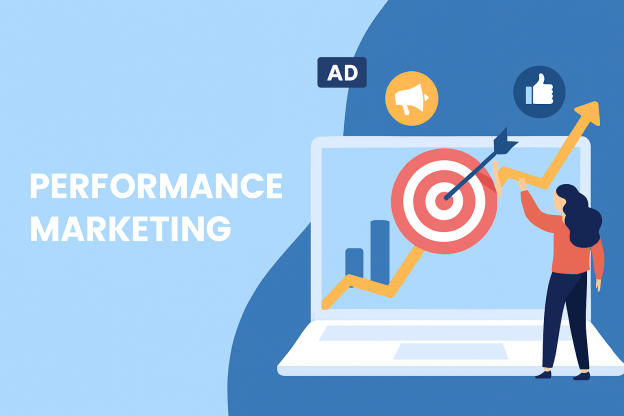
Intelligent AI Content Optimization for Brands

In today’s digital landscape, brands face fierce competition for online visibility. Search engines evolve rapidly, demanding smarter strategies to capture audience attention. Intelligent AI content optimization empowers brands to create, refine, and distribute content that ranks higher and converts better. This approach harnesses cutting-edge technology to analyze data, predict trends, and automate processes, ensuring every piece of content aligns perfectly with user intent and algorithmic preferences.

Brands that adopt AI SEO services gain a significant edge. These services integrate advanced algorithms to streamline workflows, reduce manual effort, and deliver measurable results. From initial research to ongoing performance monitoring, AI transforms traditional methods into efficient, data-driven operations.

The Rise of Automated SEO in Brand Marketing

Marketers no longer rely solely on guesswork. Automated SEO tools process vast amounts of data in seconds, identifying opportunities that humans might miss. This automation handles repetitive tasks like meta tag generation, image alt text creation, and internal linking suggestions, freeing teams to focus on creative strategy.

Companies implement SEO automation to scale efforts across multiple platforms. For instance, e-commerce brands manage thousands of product pages effortlessly. Automation ensures consistency in optimization, preventing errors that could harm rankings.

Harnessing AI Content Optimization for Superior Results

At the core of modern strategies lies AI content optimization. This process uses algorithms to evaluate readability, relevance, and engagement potential. Tools scan existing content, suggest improvements in structure, vocabulary, and formatting, and ensure alignment with target keywords without stuffing.

Brands benefit from real-time feedback. Writers receive instant recommendations on sentence length, tone, and semantic richness. This leads to content that not only pleases search engines but also resonates with readers, boosting dwell time and reducing bounce rates.

Automated content optimization takes this further by scheduling regular updates. As search trends shift, systems automatically refresh older posts with new information, keeping them competitive.

Machine Learning SEO: Predicting User Behavior

Machine learning SEO analyzes historical data to forecast future patterns. Algorithms learn from user interactions, click-through rates, and conversion paths to refine strategies proactively.

For brands, this means anticipating seasonal spikes or emerging topics. A fashion retailer, for example, predicts demand for specific styles based on social signals and past sales data, optimizing content well in advance.

Revolutionizing Research with AI Keyword Research

Traditional keyword discovery often involves manual brainstorming and tool checks. AI keyword research accelerates this by processing natural language queries, competitor analysis, and search volume trends simultaneously.

Systems identify long-tail phrases with high intent and low competition. They also uncover related questions users ask, enabling brands to create comprehensive topic clusters that dominate search results.

Building Comprehensive Artificial Intelligence SEO Frameworks

Artificial intelligence SEO encompasses a holistic ecosystem. It combines various AI subsets to address every aspect of search visibility, from on-page elements to off-page signals.

Brands develop robust frameworks that integrate these technologies seamlessly. This ensures no element operates in isolation, creating synergistic effects that amplify overall performance.

Predictive SEO: Staying Ahead of Algorithm Changes

Search engines update algorithms frequently, catching many brands off guard. Predictive SEO uses historical update data and machine learning to forecast changes and recommend preemptive adjustments.

Marketers receive alerts about potential ranking fluctuations. They adjust content strategies before impacts occur, maintaining steady traffic flow.

The Power of AI Powered SEO Tools

AI powered SEO platforms offer intuitive dashboards that consolidate metrics from multiple sources. Users access unified views of organic traffic, keyword rankings, and backlink profiles.

These tools provide actionable insights rather than raw data. For example, they highlight content gaps by comparing brand performance against top competitors in real time.

Integrating AI Content Marketing into Brand Narratives

Content remains king, but distribution and personalization matter equally. AI content marketing tailors messages to individual user segments based on behavior, demographics, and preferences.

Brands craft dynamic campaigns that adapt in real time. Email sequences, social posts, and website experiences evolve as users interact, increasing engagement and loyalty.

Mastering AI SEO Optimization Techniques

Effective AI SEO optimization requires understanding core principles. Systems evaluate factors like entity recognition, topical authority, and user experience signals to score content quality.

Optimization extends beyond keywords to include multimedia elements. AI suggests video transcripts, infographic data points, and interactive features that enhance user satisfaction.

Crafting Winning AI SEO Strategy Roadmaps

Every brand needs a tailored plan. AI SEO strategy development involves setting clear objectives, selecting appropriate tools, and establishing KPIs.

Strategies incorporate short-term wins and long-term growth. Quarterly reviews use AI analytics to pivot approaches based on performance data and market shifts.

Deep Learning SEO for Complex Pattern Recognition

Deep learning SEO excels at processing unstructured data. Neural networks identify subtle correlations in user behavior that simpler models overlook.

Applications include sentiment analysis across review platforms and predicting content virality based on early engagement metrics.

Leveraging Natural Language Processing SEO

Search queries grow more conversational. Natural language processing SEO ensures content matches how people actually speak and ask questions.

Tools generate FAQ sections, how-to guides, and conversational blog posts that align with voice assistants and featured snippets.

Streamlining Workflows with SEO AI Automation

SEO AI automation eliminates bottlenecks in content pipelines. From ideation to publication, systems handle approvals, formatting, and distribution.

Teams collaborate more effectively with shared AI-driven workflows. Version control and performance predictions become standard features.

Enhancing AI Technical SEO Foundations

Site architecture impacts crawlability and indexing. AI technical SEO audits identify issues like duplicate content, slow load times, and broken redirects.

Automated fixes implement schema markup, optimize XML sitemaps, and ensure mobile responsiveness across devices.

Conducting Thorough Automated SEO Audit Processes

Regular health checks prevent problems. Automated SEO audit tools scan entire websites, generating detailed reports on errors, warnings, and opportunities.

Audits cover over 200 ranking factors, providing prioritized action lists that guide improvement efforts.

Accelerating Creation with AI Powered Content Creation

Writer’s block becomes obsolete. AI powered content creation generates drafts, outlines, and full articles based on brief prompts and target parameters.

Human editors refine AI outputs, ensuring brand voice consistency while dramatically increasing production capacity.

Strategic AI Link Building Approaches

Quality backlinks remain crucial. AI link building identifies authoritative sites, analyzes outreach success rates, and personalizes pitch templates.

Tools track link velocity and anchor text distribution to avoid penalties while building natural profiles.

Monitoring Success Through AI SEO Performance Tracking

Data drives decisions. AI SEO performance tracking consolidates metrics into customizable dashboards with anomaly detection.

Brands spot trends early, attribute conversions accurately, and calculate ROI with precision.

Implementing Automated On-Page SEO Best Practices

Every page element matters. Automated on-page SEO optimizes titles, headers, and meta descriptions at scale.

Systems suggest improvements based on competitor analysis and historical performance data for similar pages.

Capturing AI Featured Snippet Optimization Opportunities

Position zero offers prime visibility. AI featured snippet optimization structures content in lists, tables, and paragraphs that match common snippet formats.

Tools monitor snippet losses and wins, recommending format adjustments to reclaim featured positions.

Preparing for AI Voice Search Optimization

Voice queries differ from typed searches. AI voice search optimization focuses on question-based content and local intent signals.

Brands optimize for devices like smart speakers, ensuring answers appear in voice results.

Prioritizing AI Mobile SEO in a Mobile-First World

Over half of searches occur on mobile devices. AI mobile SEO ensures fast loading, intuitive navigation, and touch-friendly interfaces.

Tools simulate mobile experiences, identifying issues like intrusive interstitials or small tap targets.

Integrating AI Across the Entire SEO Ecosystem

Successful brands connect all these elements into cohesive systems. AI orchestrates interactions between content creation, technical fixes, and performance analysis.

This integration creates feedback loops where insights from one area inform actions in others, continuously improving results.

Brands Excelling with AI-Driven SEO

A leading e-commerce platform increased organic traffic by 150% within six months using comprehensive AI implementation. They combined predictive analytics with automated content updates to dominate seasonal categories.

A B2B software company reduced content production time by 70% while improving lead quality through personalized AI-generated resources tailored to buyer journey stages.

Overcoming Common Challenges in AI SEO Adoption

Initial setup requires investment in tools and training. Brands start small, piloting AI in specific areas before full-scale rollout.

Data privacy concerns arise with user behavior tracking. Transparent policies and compliance with regulations like GDPR build trust.

Future Trends in Intelligent Content Optimization

Advancements in multimodal AI will process text, images, and video simultaneously for holistic optimization.

Real-time personalization at scale will become standard, with content adapting instantly to individual visitor contexts.

Measuring ROI from AI SEO Investments

Calculate returns by comparing organic growth against tool costs and time savings. Track metrics like customer acquisition cost, lifetime value, and revenue attribution from organic channels.

Best Practices for Sustainable AI SEO Success

Maintain human oversight for creative elements and brand voice. Use AI as an enhancer, not a replacement.

Regularly update training data to keep models current with evolving search behaviors.

Building Internal Expertise in AI SEO Technologies

Train teams on interpretation of AI insights rather than just tool operation. Foster collaboration between marketers, developers, and data scientists.

Scaling AI SEO for Enterprise Brands

Large organizations implement centralized AI platforms with role-based access. They establish governance models to ensure consistency across departments and regions.

The Ethical Considerations of AI in SEO

Avoid manipulative tactics that AI might suggest. Focus on genuine value creation for users.

Ensure AI outputs remain original and properly attributed when building upon existing content.

Embracing the AI SEO Revolution

Brands that integrate intelligent optimization position themselves for long-term dominance. The combination of automation, prediction, and personalization creates unbeatable advantages in search visibility and user engagement.

Start small, measure relentlessly, and scale strategically. The future of SEO belongs to those who harness AI effectively today.

FAQs

What are AI SEO services and how do they benefit brands?

AI SEO services provide comprehensive solutions using artificial intelligence to enhance search visibility, automate processes, and deliver data-driven insights for better ranking and conversion.

How does automated SEO differ from traditional methods?

Automated SEO handles repetitive tasks like meta tag updates and internal linking automatically, allowing marketers to focus on strategy while maintaining consistency across large sites.

Can AI content optimization improve existing website content?

Yes, AI content optimization analyzes current pages and suggests specific improvements in structure, readability, and relevance to boost performance without complete rewrites.

What role does machine learning play in SEO?

Machine learning SEO predicts user behavior patterns and algorithm changes, enabling proactive adjustments that keep content competitive over time.

How accurate is AI keyword research compared to manual methods?

AI keyword research processes vast data sets instantly to uncover high-intent, low-competition terms that manual research might miss, often with greater accuracy.

Is SEO automation suitable for small businesses?

Absolutely, SEO automation levels the playing field by providing enterprise-level capabilities at affordable scales, managing essential tasks efficiently.

What makes predictive SEO valuable for long-term planning?

Predictive SEO forecasts trends and algorithm shifts, helping brands prepare content strategies months in advance for sustained growth.

How does AI technical SEO identify site issues?

AI technical SEO crawls websites comprehensively, detecting problems like slow speeds, broken links, or mobile usability issues that impact rankings.

Can AI help with voice search optimization?

Yes, AI voice search optimization creates conversational content that matches natural speech patterns used in voice queries on smart devices.

What results can brands expect from AI mobile SEO implementation?

AI mobile SEO improves load times, navigation, and user experience on mobile devices, significantly boosting rankings in mobile-first indexing.

Get In Touch

Website- — https://www.webinfomatrix.com/ai-based-seo

Mobile — +91–9990536116

WhatsApp — +91–9990536116

Mail — info@webinfomatrix.com

Transform Your Data into Power Using AI Marketing Software

Read More – AI Digital Marketing
Read More – Performance Marketing

Read More – AI Marketing Software

Read More – Performance Marketing Agency

Read More – Performance Marketing Services

Get In Touch

Website- – https://www.webinfomatrix.com/performance-marketing

Mobile — +91–9990536116

WhatsApp — +91–9990536116

Mail — info@webinfomatrix.com

Transform Business Growth with AI Digital Marketing

In today’s rapidly evolving digital age, businesses can no longer rely on traditional marketing methods. The introduction of artificial intelligence has revolutionized the way companies connect with their audiences. AI Digital Marketing has emerged as the driving force behind this transformation, reshaping strategies, automating campaigns, and delivering unmatched results.

Artificial intelligence empowers marketers to make data-driven decisions, streamline workflows, and predict consumer behavior with remarkable accuracy. This shift isn’t just a trend—it’s a revolution that defines the next stage of Performance Marketing and growth.

Understanding AI Digital Marketing

AI Digital Marketing combines machine learning algorithms, automation, and big data analytics to enhance online marketing efforts. It enables businesses to process vast amounts of data to uncover insights, optimize targeting, and personalize customer journeys.

Unlike manual campaigns, AI-based systems can analyze customer behavior in real-time and recommend actions that improve engagement, reduce costs, and boost conversion rates. This data-centric approach ensures that marketing strategies are more efficient, measurable, and performance-driven.

Why Businesses Need Performance Marketing

In the modern business landscape, success is defined by measurable results. That’s where Performance Marketing comes into play. It focuses on achieving tangible goals such as leads, sales, and conversions, rather than vanity metrics.

Performance-based campaigns allow businesses to pay only for successful actions, ensuring higher returns on investment. By integrating AI into performance marketing, companies can enhance targeting accuracy, optimize ad spend, and gain insights into user intent with greater precision.

The Power of AI in Performance Marketing

AI In Performance Marketing merges artificial intelligence with data analytics to redefine customer engagement. AI-driven algorithms can predict which prospects are most likely to convert, determine the best time to engage, and recommend content that aligns with audience preferences.

AI’s predictive capabilities empower marketers to reduce wasteful spending, personalize offers, and maximize conversion efficiency. The outcome is a data-powered marketing ecosystem that adapts continuously and drives consistent business growth.

How AI Marketing Tools Revolutionize Strategies

The foundation of intelligent digital marketing lies in the use of AI Marketing Tools. These tools automate repetitive tasks, analyze audience behavior, and optimize campaigns for improved performance.

From chatbots that offer real-time assistance to predictive analytics platforms that forecast trends, AI tools simplify marketing management. Businesses can create hyper-personalized campaigns, refine their ad targeting, and increase engagement through data-backed insights.

When integrated with performance marketing principles, these tools become an unstoppable growth engine, enabling marketers to achieve more with less effort.

AI Marketing Software: The Engine Behind Automation

To fully leverage the benefits of AI, businesses are increasingly adopting AI Marketing Software. This software automates the entire marketing process—from audience segmentation to campaign execution and analytics.

AI-powered platforms can analyze millions of data points in seconds, providing marketers with actionable insights. With this automation, companies can respond to market shifts instantly, maintain relevance, and enhance customer experiences across all digital touchpoints.

Whether it’s managing social media campaigns or running personalized ads, AI software ensures efficiency and consistency in every operation.

AI Marketing Automation: Driving Smart Efficiency

Automation has always been the cornerstone of modern marketing, but AI Marketing Automation takes it to a new level. It integrates predictive algorithms, behavioral analytics, and automated workflows to execute campaigns with precision.

This approach enables marketers to deliver tailored messages to specific customer segments at the right time. By automating repetitive tasks such as email sequences, lead scoring, and audience retargeting, businesses save time while maintaining a personal touch.

AI automation enhances customer satisfaction by ensuring timely and relevant communication, thereby driving conversions more efficiently.

Partnering with a Performance Marketing Agency

Many businesses struggle to implement AI strategies effectively due to a lack of expertise. That’s where a professional Performance Marketing Agency steps in. These agencies specialize in creating data-driven marketing campaigns that focus on measurable outcomes.

With a deep understanding of both AI and performance marketing, agencies can craft tailored strategies that align with a brand’s goals. They bring technical expertise, industry insights, and advanced tools to the table, enabling businesses to stay ahead in a competitive market.

By outsourcing to experts, companies can focus on their core operations while ensuring their marketing delivers real results.

The Role of Artificial Intelligence Marketing

The concept of Artificial Intelligence Marketing goes beyond automation—it’s about understanding human behavior through data. AI technologies like machine learning and natural language processing enable marketers to interpret customer emotions, interests, and purchasing intent.

This understanding allows for the creation of emotionally intelligent campaigns that resonate with audiences. AI-driven personalization ensures that customers receive offers and content that match their individual needs, fostering loyalty and trust.

Artificial intelligence transforms marketing from a guessing game into a science backed by precision and insight.

Building a Successful AI Marketing Strategy

A strong AI Marketing Strategy is essential for achieving business growth. It begins with setting clear objectives, identifying target audiences, and selecting the right AI tools and data sources.

The strategy should integrate machine learning for predictive analysis, automation for efficiency, and analytics for performance tracking. By continually refining this strategy, businesses can stay agile and adapt to market trends in real-time.

An effective AI marketing strategy empowers companies to engage customers across multiple channels and deliver seamless brand experiences.

Exploring AI Performance Marketing for Higher ROI

AI Performance Marketing is the intersection of artificial intelligence and measurable marketing outcomes. It utilizes algorithms that analyze performance metrics to optimize ad placement, bidding strategies, and audience targeting.

Through AI, marketers can determine which campaigns generate the highest ROI and allocate budgets accordingly. Real-time data processing ensures that campaigns are always optimized, leading to cost savings and increased profitability.

By adopting AI-driven performance marketing, businesses can unlock new levels of efficiency and competitiveness in their advertising efforts.

Choosing the Right Performance Marketing Company

Selecting a reliable Performance Marketing Company is crucial for brands aiming to harness the power of AI. The right company combines technological expertise with creative execution to deliver measurable results.

They analyze data patterns, identify growth opportunities, and develop campaigns that align with customer behavior. A top-tier company leverages AI tools to enhance campaign accuracy and scalability.

When businesses partner with the right agency, they gain access to expertise that ensures consistent growth, improved ROI, and sustainable success.

Leveraging AI Marketing Platform Capabilities

A powerful AI Marketing Platform serves as the backbone of intelligent marketing ecosystems. It centralizes data management, campaign tracking, and analytics to simplify decision-making.

These platforms integrate with CRM systems, social media, and advertising channels, providing a holistic view of marketing performance. By analyzing customer interactions and engagement metrics, marketers can craft strategies that drive loyalty and conversions.

The adaptability and scalability of AI platforms make them an indispensable asset for modern digital marketers.

Creating Impactful AI Marketing Campaigns

In the world of digital competition, crafting effective AI Marketing Campaigns is key to standing out. AI enables marketers to design campaigns that are data-informed, contextually relevant, and personalized.

Machine learning algorithms assess customer behavior to determine the best messaging, channels, and timing. These insights ensure that each campaign achieves maximum reach and engagement.

AI-driven campaigns evolve based on user interaction, improving performance continuously and delivering higher returns over time.

Comprehensive Performance Marketing Services

To achieve full-spectrum success, brands turn to specialized Performance Marketing Services that encompass strategy development, execution, and analysis. These services cover everything from search engine marketing and display advertising to social media and affiliate marketing.

By integrating AI, service providers can monitor campaign effectiveness in real time and adjust strategies instantly. This agility ensures sustained performance and optimized budget utilization.

Performance marketing services powered by AI guarantee measurable growth and ensure brands achieve long-term scalability.

The Power of AI Marketing Analytics

Data is the fuel that powers modern marketing, and AI Marketing Analytics is the engine that interprets it. With advanced analytics tools, businesses can track user journeys, measure engagement, and predict future trends.

AI-based analytics transforms raw data into actionable insights, helping marketers make smarter decisions. It identifies what works, what doesn’t, and how to improve campaign effectiveness.

By leveraging analytics, brands gain a deep understanding of their audience, allowing them to create more targeted and impactful campaigns.

How AI Digital Marketing Transforms Business Growth

The true potential of AI Digital Marketing lies in its ability to scale business operations and personalize every customer touchpoint. With AI, companies can predict market trends, automate workflows, and optimize every stage of the marketing funnel.

AI not only reduces manual labor but also ensures precision in campaign execution. It enables marketers to identify opportunities faster, enhance customer relationships, and maximize profitability.

This transformation leads to smarter decision-making, faster conversions, and sustained business growth in a competitive market.

The Future of Marketing with Artificial Intelligence

As technology continues to evolve, the role of AI in marketing will only grow stronger. The integration of Artificial Intelligence Marketing into everyday operations will redefine how brands communicate and connect.

From predictive modeling to autonomous campaign management, AI will handle complex tasks, allowing marketers to focus on creativity and strategy. Businesses that embrace AI today will become tomorrow’s leaders in innovation and customer experience.

Empower Your Brand with AI and Performance Marketing

The fusion of Performance Marketing and AI Digital Marketing is no longer optional—it’s essential. By leveraging AI-driven tools, software, and analytics, businesses can transform their marketing into a growth powerhouse.

Read More – AI Digital Marketing
Read More – Performance Marketing

Read More – AI Marketing Software

Read More – Performance Marketing Agency

Read More – Performance Marketing Services

Get In Touch

Website- – https://www.webinfomatrix.com/performance-marketing

Mobile — +91–9990536116

WhatsApp — +91–9990536116

Mail — info@webinfomatrix.com